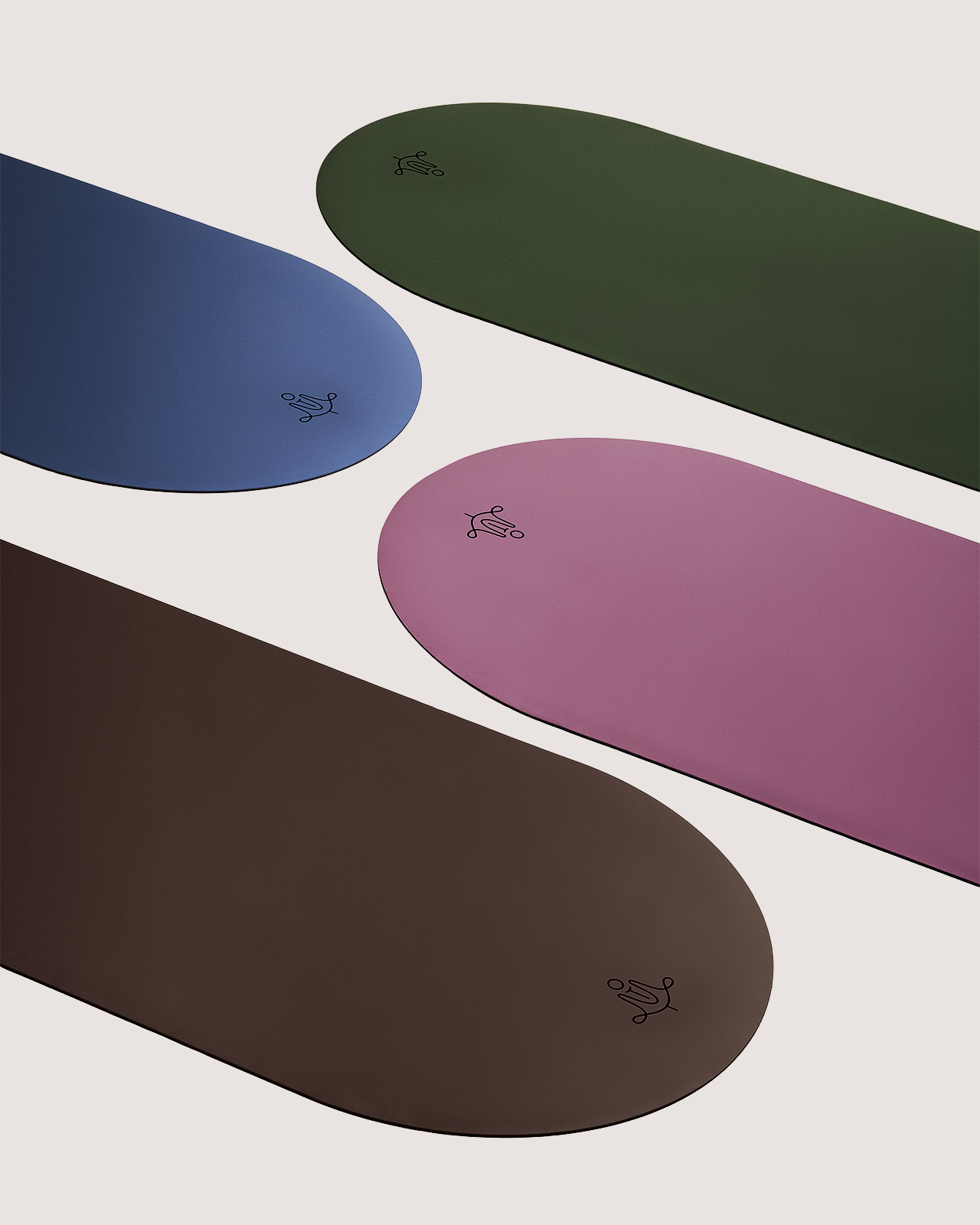
Understanding Yoga Mats: A Beginner's Guide to Choosing the Right Material
If you've ever shopped for a yoga mat, you've probably noticed that not all mats are created equal.
Some are ultra-grippy. Some are washable. Some are lightweight enough to fit in a carry-on, while others are designed to withstand intense workouts and years of daily practice.
Yet many yogis choose a mat based solely on color, thickness, or price without understanding one important factor: material.
The material of a yoga mat determines how it feels, how much grip it offers, how much maintenance it requires, and even which styles of movement it is best suited for.
Before choosing a yoga mat, it's helpful to understand the most common materials used in the industry.
PU (Polyurethane) Yoga Mats

PU mats have become one of the most popular choices among modern yogis due to their excellent grip and premium feel.
The surface absorbs a small amount of moisture from your hands and feet, helping reduce slipping during practice.
Best For
-
Yoga
-
Pilates
-
Strength training
-
General fitness workouts
Pros
-
Excellent grip
-
Comfortable cushioning
-
Premium feel
-
Great balance of support and stability
Considerations
-
Requires regular maintenance
-
Can stain more easily than some materials
-
Should not be submerged in water
Suede Yoga Mats

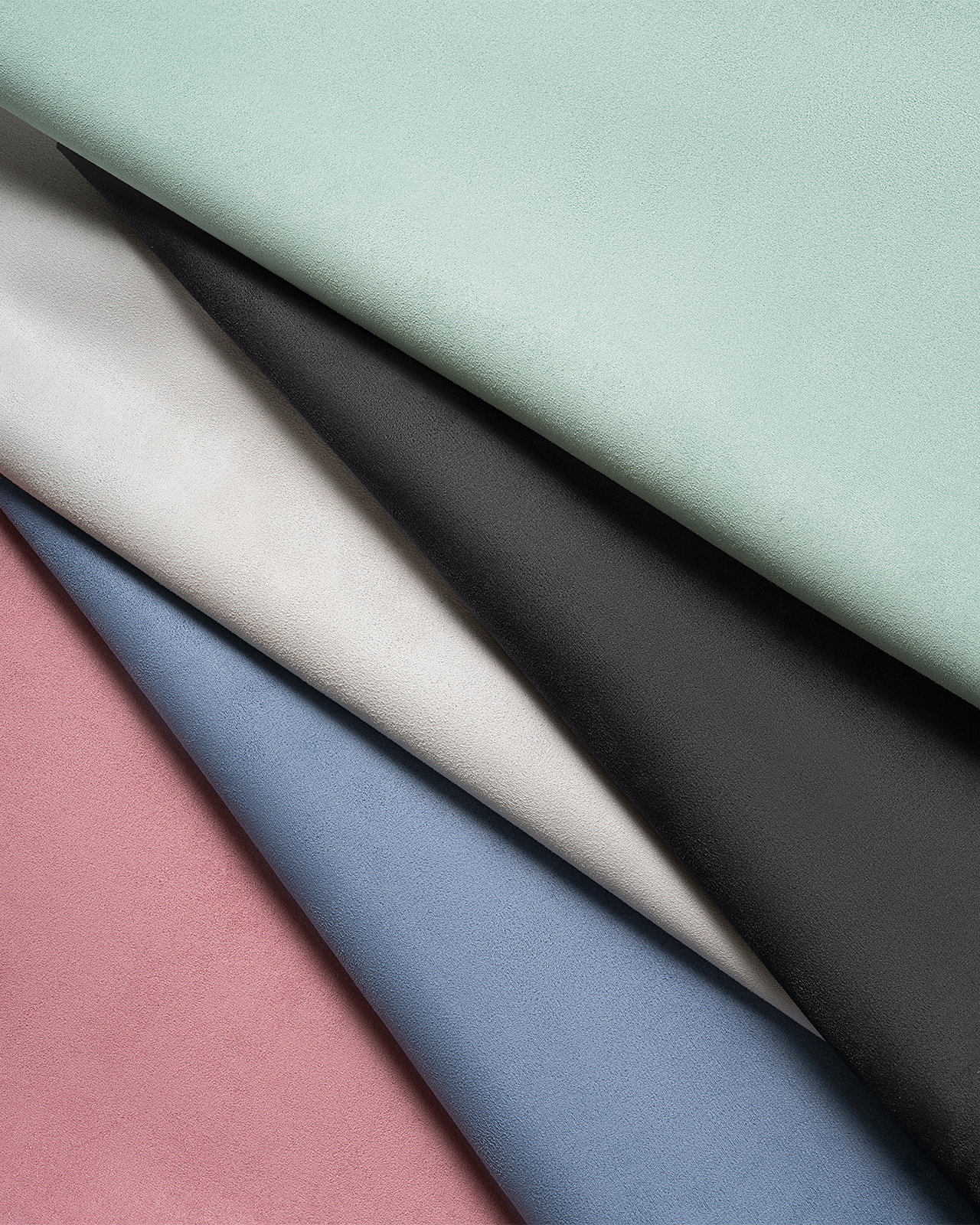
Suede mats feel soft and smooth to the touch but behave differently during practice.
Unlike PU mats, suede surfaces become grippier as moisture increases, making them particularly popular for hot yoga and sweaty sessions.
Best For
-
Hot yoga
-
Sweaty practices
-
Pilates
-
High-intensity movement
Pros
-
Washable
-
Resistant to scratches
-
Comfortable texture
-
Ideal for sweaty conditions
Considerations
-
May feel slippery with completely dry hands
-
Requires moisture to activate optimal grip
Natural Rubber: The Foundation Beneath the Surface
Most premium yoga mats use natural rubber as the base layer.
Natural rubber provides:
-
Cushioning
-
Stability
-
Shock absorption
-
Durability
Think of the top layer as what you touch and the natural rubber base as what supports your joints.
So Which Material Is Best?
The answer depends on your practice.
If you prioritize grip during traditional yoga sessions, a PU mat may be your best match.
If you sweat heavily, practice hot yoga, or prefer a washable option, a suede mat may suit you better.
The best yoga mat isn't necessarily the most expensive one—it's the one that supports your practice style and lifestyle.
Writer: TMY Journal